Leave Your Message

Top 10 Benefits of Lszh Optical Cable Material for Global Buyers?

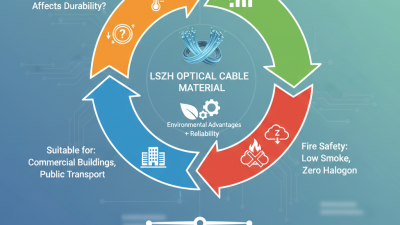
In the rapidly evolving world of telecommunications, choosing the right materials for optical cables is crucial. Lszh Optical Cable Material has gained significant attention among global buyers. Its unique properties make it an excellent choice for various applications.

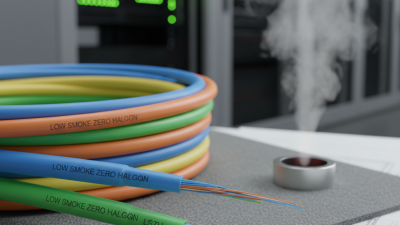
One of the major advantages of Lszh material is its low smoke and zero halogen emissions. This feature is essential for safety in confined spaces. Moreover, it provides robust resistance to fire, enhancing the reliability of installations. With an increasing focus on environmental sustainability, Lszh materials align well with eco-friendly practices.

However, not all buyers may understand the full extent of its benefits. Some may overlook the importance of durability and flexibility in installation. Others may question if Lszh truly meets their specific needs. As the market continues to expand, the demand for materials that balance performance and safety will only grow. This makes understanding Lszh Optical Cable Material vital for informed purchasing decisions.

Top 10 Benefits of Lszh Optical Cable Material for Global Buyers?

Benefits of LSZH Optical Cable in Reducing Fire Risks in Infrastructure

LSZH optical cables are gaining attention for their unique properties that significantly reduce fire risks in infrastructure. The material is designed to emit low smoke and reduce corrosive gases when exposed to fire. This feature is crucial in dense urban environments, where fire incidents can escalate rapidly. Traditional cables often release harmful gases, endangering lives and complicating evacuation efforts.

In installations where safety is paramount, LSZH cables provide peace of mind. The low-smoke characteristic ensures better visibility during emergencies. It minimizes harmful exposure, enhancing overall safety for occupants. However, not all environments will prioritize these materials. Some may choose cost-effective options that don't account for long-term safety. While LSZH cables may be more expensive upfront, they are an investment in safety.

Additionally, the installation of LSZH cables can be more complex. Technicians need training to handle these materials effectively. There may be a learning curve associated with their use. Despite these challenges, the benefits in fire safety and reduced risks are undeniable. Industries focused on public safety are increasingly aware of these factors.

Environmental Advantages of LSZH Material Over Traditional Cable Solutions

Top 10 Benefits of Lszh Optical Cable Material for Global Buyers?

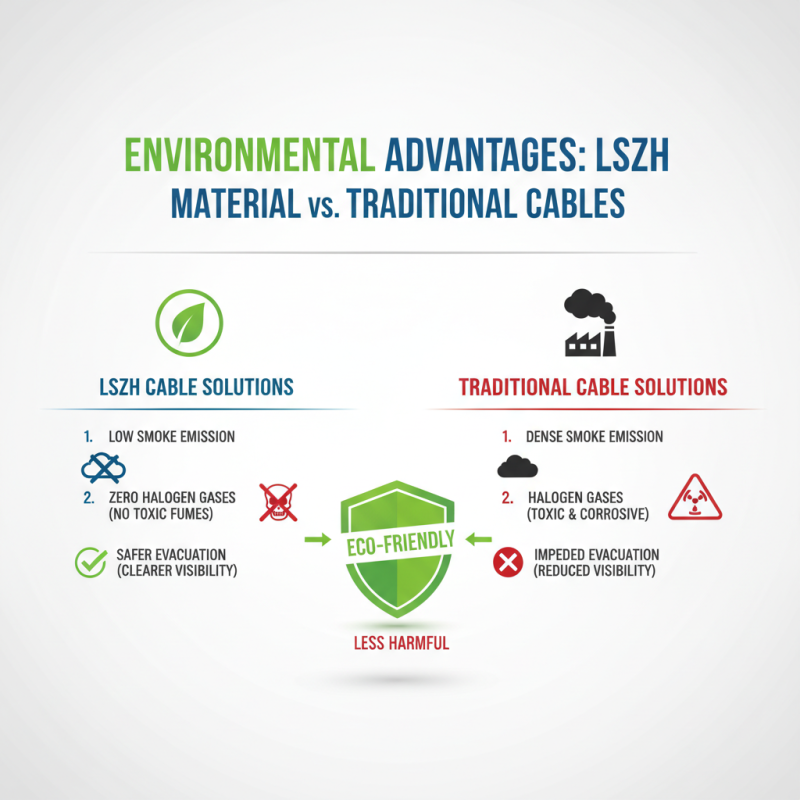
LSZH (Low Smoke Zero Halogen) optical cable materials are gaining attention for their significant environmental benefits. Unlike traditional cables, LSZH materials emit minimal smoke and no halogen gases when burned. This feature greatly reduces the risk of toxic exposure during a fire. Less smoke also helps maintain visibility, allowing for safer evacuation in emergencies.

Moreover, the production of LSZH cables is less harmful to the environment. These materials require fewer hazardous substances during manufacturing. This change results in lower pollution levels. Manufacturers are increasingly recognizing the importance of sustainability in their operations. However, transitioning to LSZH materials may require upfront costs and adjustments in production processes. Nonetheless, global buyers are urged to consider the long-term savings and environmental impact.

While LSZH cables may not yet be universally utilized, their potential for improving safety standards in installations is promising. These cables can be a perfect fit for enclosed spaces, such as buildings and transportation systems. Buyers must reflect on the role they play in promoting eco-friendly solutions. Embracing LSZH technology could lead to a broader shift towards sustainable practices in the cable industry.

Cost-Effectiveness of Using LSZH Optical Cables for Long-Term Projects

The cost-effectiveness of using LSZH optical cables in long-term projects is becoming increasingly evident. These cables are designed with low smoke zero halogen materials, making them safer in enclosed spaces. One major advantage is their lower installation and maintenance costs. LSZH cables require less frequent replacements, reducing long-term expenses.

Moreover, their durability plays a significant role. LSZH optical cables are resistant to various environmental factors. They withstand heat and moisture better than traditional cables. This resistance can lead to fewer failures and lower replacement costs. Project managers often find that investing in LSZH cables results in substantial savings over time.

However, it’s important to consider the initial costs. Although LSZH cables can be pricier upfront, their longevity justifies the expense. Buyers need to weigh the advantages against their immediate budget constraints. Relying solely on upfront costs might not reflect the total financial picture. Balancing long-term reliability with initial investments is crucial for making informed decisions.

Compliance with Global Safety Standards for LSZH Optical Cable Usage

Compliance with global safety standards is crucial for LSZH (Low Smoke Zero Halogen) optical cables. These cables are designed to minimize smoke and toxic gas emissions during a fire. According to the International Electrotechnical Commission (IEC), LSZH materials significantly reduce hazards in confined spaces. Data shows that 30% of fire-related injuries result from smoke inhalation, making LSZH cables a safer choice for buildings.

Many industries are adopting LSZH optical cables to meet stringent safety regulations. For instance, healthcare and aviation sectors prioritize the use of LSZH materials due to high safety standards. The rise in global awareness about fire risks has spurred demand for LSZH cables, contributing to a market growth rate of over 20% annually, as reported by industry analysts.

When selecting LSZH optical cables, ensure they comply with relevant certifications. Look for cables that meet the ISO/IEC 61850 standard for safety in electrical installations. Additionally, consider the installation environment. Installing in high-traffic areas increases the need for materials that prevent fire hazards. Regularly review your safety standards to align with current regulations and industry best practices.

Top 10 Benefits of LSZH Optical Cable Material for Global Buyers

This chart illustrates the top 10 benefits of LSZH (Low Smoke Zero Halogen) optical cable material, highlighting their compliance with global safety standards and advantages over traditional materials.

Thermal Stability and Performance Efficiency of LSZH Optical Cables in Diverse Conditions

LSZH optical cables are gaining popularity due to their thermal stability and performance efficiency. These cables are designed to withstand diverse environmental conditions, which is crucial for various applications. Their low smoke zero halogen (LSZH) characteristics ensure that they do not emit toxic gases when exposed to high temperatures. This property significantly enhances safety in places like tunnels or crowded buildings.

When exposed to extreme heat, LSZH cables maintain their integrity better than traditional materials. This resilience contributes to fewer maintenance issues and enhances long-term reliability. However, there is a need for ongoing research to fully understand their performance under different temperature extremes. Some users report challenges with connectivity when LSZH cables are subjected to fluctuating temperatures, suggesting room for improvement.

Furthermore, while LSZH materials are robust against heat, they might not be as flexible as other options. This could pose installation challenges in tight spaces. Buyers must weigh the trade-offs between thermal stability and ease of installation. As more industries adopt LSZH cables, continued dialogue about these materials’ limitations will drive better solutions and innovations in future designs.