Top 5 Tips for Choosing PVC Insulated Cable Material?
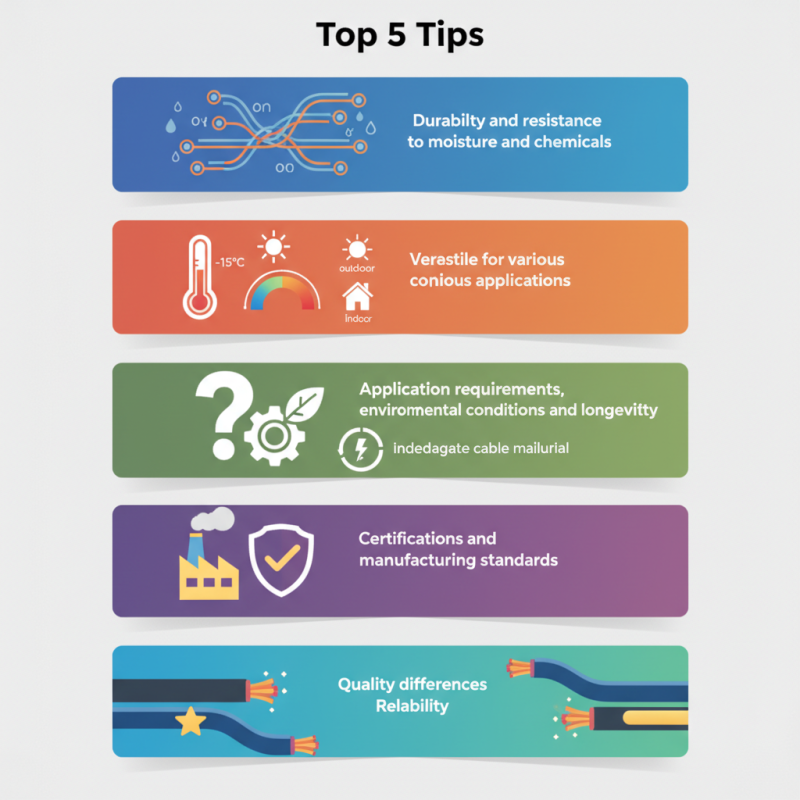
Choosing the right PVC insulated cable material is crucial for any electrical project. PVC, or polyvinyl chloride, is renowned for its durability and resistance to moisture and chemicals. According to industry reports, cables insulated with PVC can withstand temperatures ranging from -15°C to 70°C, making them versatile for various applications. This flexibility can be beneficial for both outdoor and indoor uses.
However, selecting the appropriate PVC insulated cable material involves more than just understanding its properties. Factors like application requirements, environmental conditions, and longevity must be considered. Research indicates that approximately 30% of electrical failures in installations are linked to inadequate cable material, highlighting the importance of informed choices. Investing time to select the right PVC insulated cable can prevent costly repairs and ensure safety.
While many assume all PVC cables are the same, differences in quality can impact performance. It’s crucial to consider certifications and manufacturing standards. Not every product marketed as PVC insulated is reliable. Recognizing these nuances can make a significant difference in project outcomes, ensuring safety and efficiency.
Understanding PVC Insulated Cable and Its Applications
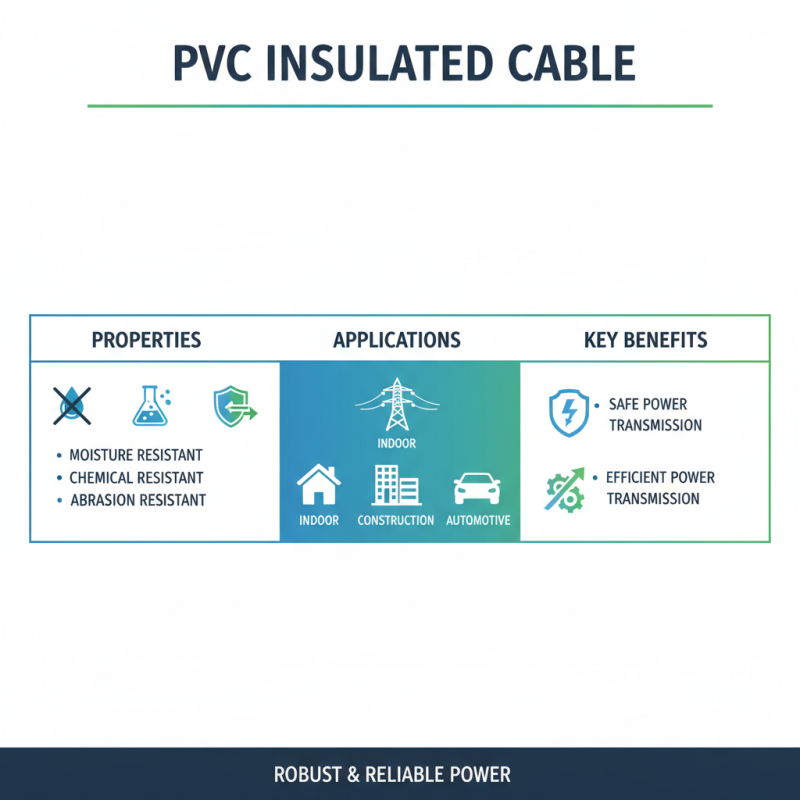
PVC insulated cables are widely used in various applications due to their robust properties. These cables feature polyvinyl chloride (PVC) as insulation, providing excellent resistance to moisture, chemicals, and abrasion. This makes them suitable for both indoor and outdoor use. Many industries, from construction to automotive, rely on PVC insulated cables for safe and efficient power transmission.
When selecting PVC insulated cables, one must consider the specific environment. Temperature fluctuations can affect cable performance, so understanding the operating conditions is vital. For example, extreme heat can degrade the insulation over time. It's also essential to assess the cable's capacity to handle electrical loads. Overloading can lead to insulation damage and potential hazards.
Proper installation and maintenance of PVC insulated cables are crucial. Preemptive checks can prevent serious issues down the line. However, not all installations meet industry standards. This highlights the importance of knowledge and expertise in choosing the right materials. Engaging a skilled professional can make a significant difference in ensuring reliability and safety, reducing the risk of failure.
Key Factors to Consider in PVC Insulated Cable Selection
When selecting PVC insulated cable materials, certain key factors demand careful consideration. One crucial aspect is the thermal rating of the insulation. According to industry reports, PVC insulation typically can withstand temperatures of 70°C to 90°C. Knowing the operating environment can help to ensure that the chosen cable performs reliably over time.
Another essential consideration is the environmental conditions where the cable will be used. PVC insulated cables exhibit excellent resistance to moisture and a wide range of chemical agents. However, exposure to extreme UV radiation can degrade the material. Understanding these aspects is vital in applications involving outdoor use. A relevant study shows that cables exposed to direct sunlight can lose up to 25% of their performance over 5 years.
Additionally, safety ratings and compliance with international standards are necessary. Most manufacturers provide documentation to verify that their cables meet the required standards. Choosing cables backed by certifications enhances reliability, providing peace of mind. Notably, brands may tout high standards, but an independent verification often reveals gaps. Always seek transparent evidence of compliance when making decisions.
Evaluating Thermal and Electrical Properties of PVC Insulation
When evaluating the thermal and electrical properties of PVC insulation, several factors come into play. PVC is known for its versatility. It is widely used in electrical cables due to its excellent insulating properties. According to the International Electrotechnical Commission, PVC can operate effectively at temperatures up to 70°C. This makes it suitable for a variety of applications in electrical environments.
Moreover, thermal conductivity plays a pivotal role in performance. PVC has a low thermal conductivity, which helps reduce heat loss. This aspect ensures that cables remain efficient over time. A report from the Institute of Electrical and Electronics Engineers highlights that proper insulation can improve energy efficiency by up to 15%. This underlines the significance of choosing the correct insulation material for your cables.
However, it's important to note limitations. While PVC insulation is robust, it can degrade under UV exposure. This can lead to potential failures in outdoor environments. Additionally, improper installation can compromise the insulation's effectiveness. Ensuring adherence to installation guidelines can mitigate some of these risks. Thus, evaluating not just material properties but also installation practices is essential for optimal performance.
Top 5 Tips for Choosing PVC Insulated Cable Material
| Tip No. |
Evaluation Criterion |
Key Consideration |
Importance Level |
| 1 |
Thermal Resistance |
Ensure the PVC can withstand high temperatures |
High |
| 2 |
Electrical Insulation |
Check for a high dielectric strength |
Critical |
| 3 |
Chemical Resistance |
Resistance to acids and alkalis |
Moderate |
| 4 |
Flexibility |
Ability to bend without cracking |
High |
| 5 |
UV Resistance |
Protection against degradation from sunlight |
Important |
Assessing Environmental Durability of PVC Cable Materials
When selecting PVC insulated cable materials, the environmental durability plays a crucial role. According to a report by the Institute of Electrical and Electronics Engineers (IEEE), UV resistance and thermal performance are vital metrics. PVC can degrade under intense sunlight, leading to brittleness. Yet, certain formulations enhance UV stability, increasing lifespan.
Moisture resistance is equally important. Data from the National Electrical Manufacturers Association (NEMA) reveals that moisture can significantly impact conductivity. In harsh environments, cables with superior insulation can resist water infiltration and prevent short circuits.
Moreover, the impact of chemical exposure should not be overlooked. PVC materials may react poorly to certain solvents or oils commonly found in industrial settings. The cable's performance may deteriorate if they aren't designed to withstand such substances. Ongoing assessments and lab tests often highlight these vulnerabilities, prompting engineers to choose carefully.
Cost Analysis and Budgeting for PVC Insulated Cable Projects
Cost analysis is a critical aspect of budgeting for PVC insulated cable projects. Start by assessing the total materials needed. This includes the cable length and necessary fittings. Consider the quality of the PVC insulation used. Higher quality may come at a premium, but it often ensures better longevity and compliance with safety regulations.
Labor costs are another essential consideration. Skilled workers generally charge more. However, their expertise can prevent costly mistakes. Explore whether you need to hire additional labor or if your current team can manage the project. Unforeseen expenses should not be overlooked. They can arise from delays or changes in design. Set aside a contingency budget for these unexpected situations.
Evaluating supplier quotes helps maintain transparency. Compare multiple suppliers before making a decision. This can reveal hidden costs, leading to wiser budget choices. Keep in mind that the cheapest option isn't always the best. Sometimes, investing more upfront can lead to savings down the line. Make informed decisions based on these details, but remain adaptable to changes during the project. Adjustments may be necessary as the project evolves.
Cost Analysis for PVC Insulated Cable Projects
This chart illustrates the cost breakdown for PVC insulated cable projects, highlighting key factors that impact budgeting and financial planning. Understanding these costs can assist in making informed decisions for project management.