How to Effectively Phosphate Steel Wire for Optimal Performance?
Phosphating Steel Wire is crucial for enhancing corrosion resistance and improving adhesion for coatings. Renowned industry expert Dr. Alice Thompson highlights, "Proper phosphating can extend the life of steel wire significantly." This method not only protects the wire but also influences its overall performance.
In today's competitive market, understanding the phosphating process becomes vital. Many manufacturers overlook this step, resulting in subpar outcomes. The phosphating process affects the surface of the steel wire, creating a layer that enhances durability. However, achieving optimal results requires precise control of parameters like temperature and chemical concentration.
Despite its benefits, some industries still struggle with the implementation of effective phosphating techniques. It's essential to recognize that not all phosphating methods yield the same results. Reflecting on common mistakes can lead to better practices. Enhancing the quality of phosphating Steel Wire is a continuous journey for organizations seeking reliability and performance.
Understanding Phosphate Coating Types for Steel Wire
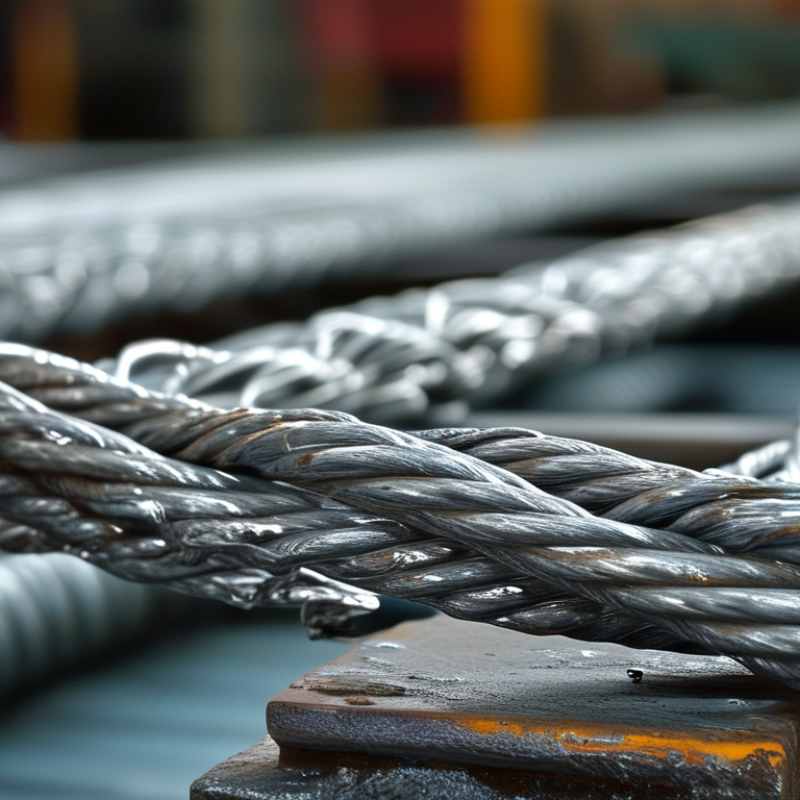
Phosphate coatings are crucial for enhancing steel wire performance. Understanding the different types can significantly impact their longevity and resistance to corrosion. There are primarily three phosphate coating types: zinc, manganese, and iron. Each type offers unique benefits, addressing various environmental conditions and application requirements.
Zinc phosphate is commonly used due to its excellent adhesion properties. It provides a good base for subsequent coatings. Conversely, manganese phosphate offers higher wear resistance, making it ideal for parts that endure friction. Iron phosphate, while less common, is useful for cleaning and preparing metals for painting or further treatments. Reports suggest that manganese phosphate coatings can increase wear resistance by up to 60%, according to the American Society for Testing and Materials (ASTM).
Tips: Always consider the specific environment in which the steel wire will be used. For high-friction applications, manganese coatings might be more suitable. Additionally, ensure proper application techniques to avoid common flaws, such as uneven coating thickness, which may diminish benefits. Regular inspections can help identify and rectify issues early.
The Science Behind Phosphating: Chemical Reactions and Processes
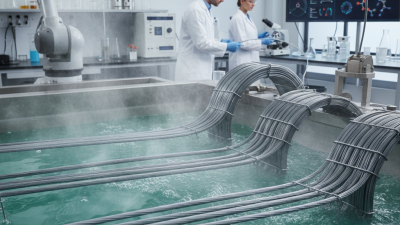
Phosphating is a crucial process for enhancing the performance of steel wire. It involves a series of chemical reactions that create a protective phosphate coating on the wire surface. This layer improves corrosion resistance and serves as a foundation for subsequent coatings. The primary chemical reaction occurs between the steel and phosphoric acid, where iron oxides react to form iron phosphates.
During this process, the bath temperature and pH levels play significant roles. Warmer baths speed up the reaction, leading to quicker coating formation. However, excessive heat may produce uneven layers, jeopardizing effectiveness. Some operators overlook the importance of monitoring these parameters closely, which can lead to inconsistent quality.
The outcome hinges on precise chemical interactions. If not controlled, incomplete reaction products can result. This can cause poorer adhesion for paints or other finishes. The ideal phosphating process should account for potential pitfalls. Fine-tuning your approach helps mitigate risks and ensures optimal wire performance.
Optimizing Surface Preparation for Effective Phosphate Application
Surface preparation is crucial for phosphate application on steel wire. A clean and well-prepared surface allows the phosphate to adhere properly. Begin with thorough cleaning to remove grease, dirt, and rust. Use industrial-grade degreasers when necessary to achieve the best results. Sometimes, abrasive blasting can help achieve a uniform surface profile. This is where many users struggle. Cleaning can be inconsistent, leading to ineffective phosphate adhesion.
After cleaning, inspect the surface meticulously. Look for any missed spots or residues. Areas that are not adequately treated can compromise the entire phosphate process. This inspection often reveals flaws that can be easily overlooked. In some cases, re-cleaning may be necessary. Additionally, ensuring the right temperature and humidity levels can enhance phosphate effectiveness. Conditions that are too humid can affect the adherence of the coating.
Choosing the right phosphate solution is also important. There are various compositions available, each with distinct properties. Users often experiment with different types to find the most suitable one for their application. It's crucial to document results and reflect on the effectiveness of each method. This iterative process ensures continuous improvement and optimal performance for steel wire applications.
Evaluating the Performance Benefits of Phosphate Coated Steel Wire
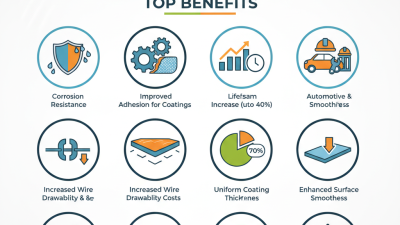
Phosphate coating steel wire offers distinct performance benefits that can enhance its application in various industries. This treatment improves corrosion resistance significantly. With a phosphate layer, the wire exhibits better longevity, reducing replacement costs over time. Additionally, the coating provides a rougher surface that enhances adhesion for paint or other coatings. This feature can be crucial in environments where aesthetics or further protection is vital.
Testing various phosphate processes can yield differing results. It is essential to evaluate the thickness and composition of the phosphate layer. Not all processes achieve the same level of coverage, and inconsistencies can lead to performance setbacks. Feedback from industry experts suggests that surface preparation plays a critical role. Properly cleaning the wire before coating is crucial for maximizing adhesion and effectiveness.
Inspecting the finished product regularly can reveal the potential for failure. Operators often overlook minor defects that could lead to larger issues down the line. Regular assessments can help identify inconsistencies in the coating, ensuring optimal performance. Careful consideration of these factors will lead to better outcomes when using phosphate-coated steel wire in practical applications.
Industry Standards and Quality Control Measures in Phosphating Steel Wire
Phosphating is a crucial process in the treatment of steel wire. It enhances corrosion resistance and improves the adhesion of coatings. Industry standards play an essential role in ensuring consistent quality. Different specifications are set based on wire usage, whether in automotive or construction applications. Deviations from these standards can lead to performance issues.
Quality control measures are vital throughout the phosphating process. These measures include assessing solution concentration and pH levels. Regular monitoring helps ensure optimal coating thickness. Improper control can result in inadequate phosphate layers, leading to premature failure. Additionally, using faulty equipment may compromise the overall process. Continuous improvement and a willingness to adjust practices are essential for consistent outcomes.
Evaluating the effectiveness of phosphating requires feedback. Customer experiences can provide valuable insights. It’s not unusual to encounter variability in performance based on application. By reflecting on these differences, manufacturers can refine their methods. Striving for perfection in phosphating is an ongoing journey, not a destination.
How to Effectively Phosphate Steel Wire for Optimal Performance? - Industry Standards and Quality Control Measures in Phosphating Steel Wire
| Dimension |
Value |
Unit |
| Phosphate Coating Thickness |
7 |
µm |
| Corrosion Resistance |
500 |
hours |
| Adhesion Strength |
3 |
N/mm² |
| pH Level of Phosphate Solution |
5-7 |
- |
| Temperature during Treatment |
60 |
°C |
| Processing Time |
30 |
minutes |