2026 How to Choose Indoor FTTH Optical Fiber Cable?
In the fast-evolving digital landscape, selecting the right Indoor FTTH Optical Fiber Cable is crucial. A reliable connection is essential for both businesses and homes. According to a report by the International Telecommunication Union, the demand for high-speed internet continues to rise, with fiber networks gaining prominence due to their capacity and speed. In urban areas, FTTH installations have increased by over 30% in recent years, highlighting a shift in consumer preference.
Choosing the appropriate indoor fiber cable isn't straightforward. Factors like bandwidth requirements, installation environment, and future scalability all play vital roles. For instance, the flexibility and design of the cable can significantly affect installation complexity. Many installers face challenges in tight spaces, where improper cable choices can lead to performance issues or costly rework. The industry lacks a one-size-fits-all solution, as each application presents its own unique demands.
Understanding the nuances of Indoor FTTH Optical Fiber Cable can enhance network performance and longevity. This decision goes beyond simple specifications; it reflects on overall user experience and satisfaction. As technology advances, ensuring optimal fiber selection becomes even more critical in supporting the infrastructure of tomorrow.
Factors to Consider When Selecting Indoor FTTH Optical Fiber Cable
Selecting the right indoor FTTH optical fiber cable is crucial.
Several factors influence this choice. Firstly, understanding the environment where the cable will be installed is essential. Indoor spaces vary in layout and usage. A cable designed for tight spaces, like conduits or risers, must be flexible yet sturdy. Many reports suggest that 70% of installation issues stem from unsuitable cable types.
Another key consideration is the cable's performance specifications. The core diameter, typically 50μm or 62.5μm for multimode fibers, directly impacts bandwidth and data transmission rates. According to industry data, cables with lower attenuation values perform better over longer distances. It’s essential to balance performance with budget. A high-performance cable may seem appealing but could lead to financial strains for smaller projects.
Finally, fire safety ratings matter significantly in indoor installations. Cables must comply with local building codes and safety standards. Many testing agencies classify cables based on their flame resistance. Ignoring these specifications can lead to costly rework and safety violations. Reflecting on these factors can ensure a wiser choice when selecting indoor FTTH cables.
Types of Indoor FTTH Optical Fiber Cables Available on the Market
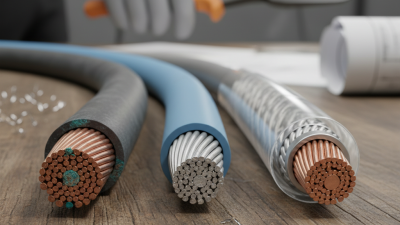
When choosing indoor FTTH optical fiber cables, understanding the types available is crucial. There are commonly two types:
loose tube cables and
tight-buffered cables.
Loose tube cables generally house several fibers within a protective tube. They can withstand harsh conditions, making them suitable for long-distance installations. In contrast, tight-buffered cables include fibers coated with a protective layer, offering greater flexibility and ease of installation in confined spaces.
According to a recent industry report, the demand for indoor FTTH systems is projected to grow by
15% annually through 2026. This rise is attributed to increasing bandwidth requirements and the expansion of smart home technologies. As a result, the choice between loose tube and tight-buffered cables can significantly influence system performance and installation efficiency.
Each type has its pros and cons. Loose tube cables might face challenges in tight indoor environments, while tight-buffered cables may not handle extreme temperatures as well. Analyzing specific project needs can help in identifying the most reliable options. Understanding these key factors is vital for ensuring optimal network performance and longevity. Making informed decisions is not just beneficial; it's necessary in today's high-speed world.
Understanding Fiber Optic Cable Specifications and Standards
Choosing the right indoor FTTH optical fiber cable involves understanding its specifications and standards. Fiber optic cable types vary in construction and performance. Single-mode cables are designed for long-distance communication, while multi-mode cables are best for shorter distances. Familiarizing yourself with these characteristics helps in selecting the appropriate type for your needs.
Tips: Always check the cable's attenuation rates. Lower attenuation means better performance. Look for cables that comply with industry standards, which ensure quality and reliability. Be cautious about purchasing low-cost cables. They might not meet necessary specifications.
Cable specifications often include bend radius and tensile strength. A cable with a small bend radius might fit your installation needs better. However, ensure that it can withstand the mechanical stresses without performance degradation. Reviews and recommendations can provide insights into particular cables but may also reflect individual experiences that differ from your own requirements.
2026 Indoor FTTH Optical Fiber Cable Specifications Overview
This bar chart illustrates the attenuation levels for different types of indoor FTTH optical fiber cables. Single-mode fibers exhibit significantly lower attenuation compared to multi-mode fibers, making them more suitable for long-distance telecommunications.
Installation Best Practices for Indoor FTTH Optical Fiber Cable
When installing indoor FTTH (Fiber to the Home) optical fiber cables, proper techniques are crucial. These cables are delicate and need careful handling. Start by assessing the installation environment. Ensure the area is free of potential hazards like moisture and excessive heat. Proper environmental conditions help maintain cable integrity.
A common mistake is not planning the cable route carefully. Avoid sharp bends and tight spaces that could stress the fibers. Instead, use gentle curves and secure the cables with appropriate fasteners. This reduces the risk of damage and ensures optimal performance. The choice of connectors is also essential. Make sure they match the type of fibers used to ensure a reliable connection.
Regular inspections during installation can catch issues early. For example, check for visible damage and verify that connections are secure. It's also wise to test the system after installation. Evaluating performance helps identify any problems that may arise due to installation errors. Consider these aspects carefully to achieve a successful indoor fiber optic installation.
Troubleshooting Common Issues with Indoor FTTH Optical Fiber Systems
Indoor FTTH optical fiber systems can face several common issues. Understanding these problems can help in troubleshooting effectively. Often, one of the primary concerns is signal loss. This can occur due to bends or improper installation of the fibers. A sharp bend can lead to significant attenuation. Check for tight turns in the cabling routes; they might need adjustments or replacements.
Another frequent issue is connector problems. Dust or dirt on connectors can disrupt signals. Regular cleaning is essential. Use proper tools intended for optical fibers. Inspect the connectors frequently to avoid signal degradation. If you notice poor performance, it may be time to replace old connectors with new ones.
Sometimes, the problem may not be visible. Equipment malfunction can lead to connectivity issues. Ensure all devices are powered and functioning correctly. If everything seems fine yet problems remain, consider seeking professional advice. This reflection on the state of your indoor FTTH system can guide you toward a more reliable setup.
2026 How to Choose Indoor FTTH Optical Fiber Cable? - Troubleshooting Common Issues with Indoor FTTH Optical Fiber Systems
| Feature |
Description |
Common Issues |
Troubleshooting Steps |
| Cable Type |
Single-mode and Multi-mode fibers available |
Signal loss |
Check for bends or breaks in the fiber |
| Cable Jacket |
Material options: PVC, LSZH, and PU |
Jacket damage |
Inspect for physical damage and replace if necessary |
| Length and Attenuation |
Choose the right length to minimize signal loss |
High attenuation rates |
Measure the length and calculate the attenuation |
| Connector Type |
SC, LC, ST, MTP/MPO options |
Connector misalignment |
Re-align connectors and re-test |
| Installation Environment |
Indoor, outdoor, or riser-rated usage |
Environmental interference |
Relocate cables away from EMI sources |