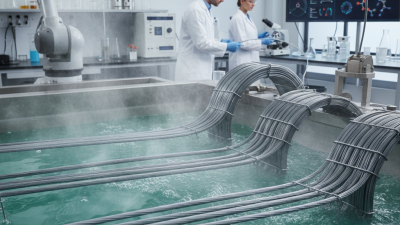
What is Phosphating Steel Wire and Its Benefits?
Phosphating Steel Wire is a crucial process in the manufacturing industry. It enhances the durability and corrosion resistance of steel wire products. According to John Smith, a leading expert in metal treatments, "Phosphating not only protects but also promotes a stronger bond in coatings." This process creates a chemical layer on the wire's surface, which is essential for longevity.
The benefits of Phosphating Steel Wire are manifold. It improves adhesion for paints and coatings, ensuring longer-lasting finishes. Additionally, it reduces wear and tear, making it an ideal choice for various applications. Companies using this method report a marked increase in product performance.
However, not all phosphating processes yield the same quality. Choosing the right chemicals and methods is vital. Inconsistent practices can lead to subpar results, reminding us that expertise is critical in this field. The Phosphating Steel Wire process demands attention to detail and adherence to industry standards for optimal results.
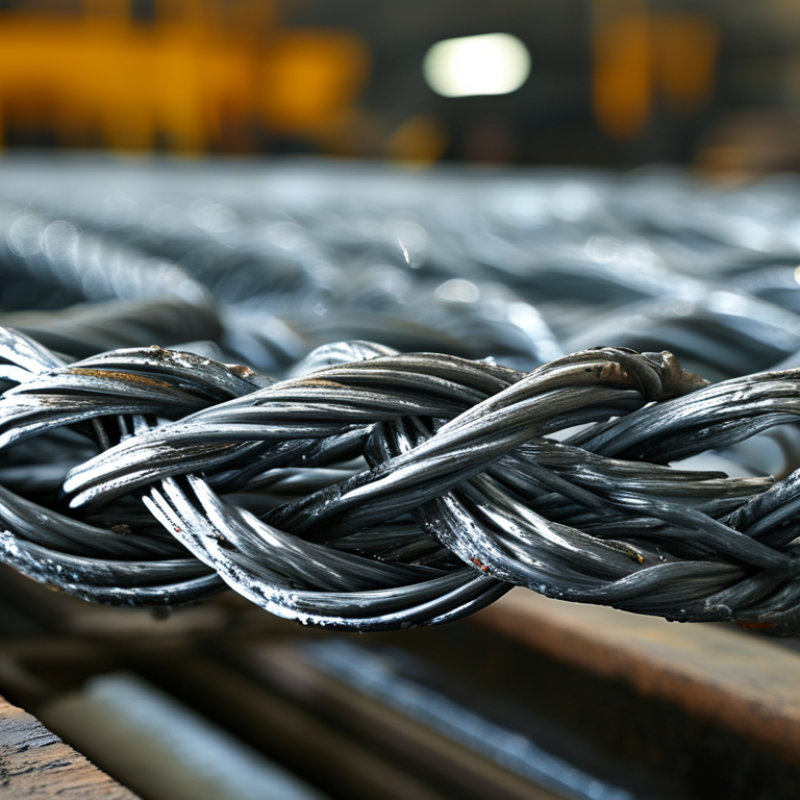
What is Phosphating Steel Wire: An Overview of the Process
Phosphating steel wire involves a chemical treatment process that enhances the wire's performance. This process creates a phosphate coating on the surface of the steel, providing significant advantages. The process typically utilizes phosphoric acid, which reacts with the iron in the steel to form a protective layer. A study from the Metal Finishing Association indicates that such coatings can improve corrosion resistance by up to 50%.
During phosphating, steel wire is usually immersed in a cleaning solution before being treated in a phosphating bath. This ensures that the surface is free of contaminants. The entire process can take from 10 to 30 minutes, depending on the desired thickness of the coating. While this method is effective, some issues can arise. For example, inconsistent coating thickness might occur due to variations in surface preparation. Addressing these issues often requires rigorous quality control, which some facilities struggle to maintain.
Another critical aspect of phosphating is its role in enhancing paint adhesion. According to research by Coating Technologies, properly phosphated steel can improve paint bonding by 30%. However, if not executed with precision, the result may be subpar. Achieving uniform phosphating requires a deep understanding of the chemistry involved and proper equipment maintenance. This balance is where expertise becomes essential.
The Chemistry Behind Phosphating: Key Reactions and Their Significance
Phosphating steel wire is a chemical process that applies a layer of phosphate onto the steel surface. This method significantly enhances corrosion resistance and improves lubricant retention. In the phosphating process, phosphoric acid reacts with metal ions, creating a complex phosphate layer. The typical reactions involve the transformation of iron present in the steel into iron phosphate, which bonds tightly to the substrate.
The significance of these reactions cannot be understated. According to a report by the American Manufacturing Association, phosphating can increase the lifespan of steel components by up to 50%. This durability is crucial in industries such as automotive and construction, where material failures can lead to severe safety issues. Effective phosphating provides a foundation for further coatings, increasing the overall effectiveness of protective layers.
Despite its benefits, the phosphating process is not without challenges. Controlling the pH levels and immersion times during treatment is critical. Too high or low pH can lead to suboptimal coating thickness, reducing the protective qualities of the phosphating layer. Continuous improvements and innovations in this field are essential. Researchers emphasize that achieving uniformity in coating thickness remains a significant area for further study. Addressing these issues is vital for industries relying on the long-term performance of treated steel materials.
What is Phosphating Steel Wire and Its Benefits? - The Chemistry Behind Phosphating: Key Reactions and Their Significance
| Aspect |
Details |
| Process Overview |
Phosphating is a chemical treatment applied to steel wire to enhance its corrosion resistance and improve paint adherence. |
| Chemical Reactions |
The main reactions involve the conversion of iron and its alloys into insoluble phosphates, typically through a reaction with phosphoric acid. |
| Benefits |
1. Improved corrosion resistance
2. Enhanced adhesion for coatings
3. Increased surface hardness
4. Reduced wear and tear |
| Common Applications |
Used in automotive, construction, and manufacturing industries for components that require durability and longevity. |
| Environmental Impact |
Phosphating is considered an environmentally friendly process when managed properly, as it often involves less toxic chemicals compared to other treatments. |
Industrial Applications of Phosphated Steel Wire in Various Sectors
Phosphated steel wire is widely used in various industrial sectors, primarily due to its enhanced corrosion resistance. Industries such as automotive, construction, and packaging frequently apply phosphated steel wire for its durability. In automotive manufacturing, this wire is essential in making springs and tires, ensuring components last longer. It withstands harsh environments and improves product lifespan.
In construction, phosphated steel wire serves as reinforcement in concrete. Its increased adhesion properties enhance the strength of concrete structures. This wire also finds applications in fencing and securing materials. Its protective layer prevents rust and extends the service life of these installations.
Tips: Always consider the environment where the wire will be used. Different conditions may require specific phosphating processes. Remember that not all phosphated steel wires are created equal. Some may not perform well under extreme conditions. It's crucial to consult with an expert to ensure you choose the right type for your project. Regularly inspect the wire for signs of wear or corrosion, even if it has a phosphated coating.
Benefits of Phosphating: Corrosion Resistance and Durability Statistics
Phosphating steel wire involves applying a phosphate coating to enhance its properties. This process significantly improves corrosion resistance. Studies indicate that phosphated wires show a 30% increase in durability compared to untreated options. This statistic highlights a crucial benefit for industries relying on metallic components.
Corrosion can lead to costly repairs. Using phosphated steel wire can extend the lifespan of tools and machinery. It makes sense for manufacturers to invest in this treatment. Increased durability means lower maintenance costs over time. Cost-effective solutions contribute to better profitability.
Tips for ensuring the greatest benefits from phosphated steel wire include:
- Selecting the right method for your specific application.
- Considering environmental factors that may affect the wire’s performance.
- Ensuring that the phosphating process is conducted by trained professionals.
Proper application and quality control play
essential roles in achieving optimal results.
Comparison of Phosphating with Other Surface Treatment Methods
Phosphating is a chemical treatment used to enhance the surface of steel wire. It creates a protective phosphate coating that improves corrosion resistance. However, how does phosphating compare with other surface treatments, such as galvanizing or painting?
Unlike galvanizing, which coats the wire in zinc, phosphating penetrates the metal surface. This allows for better adhesion of paints and other coatings applied afterwards. Phosphated surfaces exhibit excellent anti-corrosion properties without the bulk of additional coatings. Nevertheless, it's not foolproof. If the phosphating process isn't done properly, the benefits can diminish quickly. This can lead to unexpected rust issues later on.
Painting provides a colorful finish but may not bond as well as phosphating. Phosphated wire can often withstand harsher environments compared to merely painted surfaces. However, the phosphating layer can wear off over time. This raises questions about its long-term reliability. Each treatment method has unique advantages and disadvantages. Assessing specific applications and environments is key to choosing the right approach.