What is Pvc Sheath Cable Material and Its Benefits?
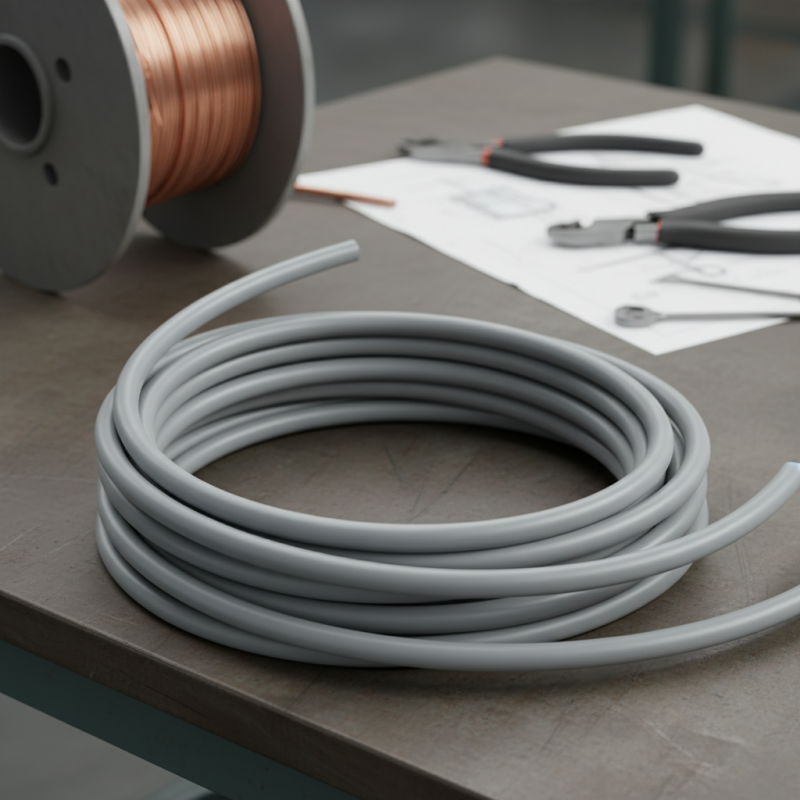
PVC sheath cable material is a popular choice in various electrical applications. Its durability and flexibility make it ideal for wiring in homes and industries. The material is resistant to moisture, chemicals, and abrasion, which enhances its longevity.
However, not all PVC sheath cables are the same. Quality can vary significantly, influenced by manufacturing processes and standards. This creates a need for careful selection based on specific project requirements. Understanding the advantages of PVC can help in making informed decisions.
The benefits of PVC sheath cable material extend beyond basic protection. It provides excellent insulation, reducing the risk of electrical hazards. It is also lighter than other materials, facilitating easier installation. As demands for energy-efficient solutions grow, PVC sheath cables remain a reliable option. Exploring its features reveals both immediate benefits and long-term advantages.
What is PVC Sheath Cable Material?
PVC sheath cable material is a popular choice in the electrical and construction industries. PVC, or polyvinyl chloride, provides excellent insulation and protection. This durable material ensures the safety of electrical systems in various environments. Its resistance to moisture, chemicals, and abrasion makes it suitable for both indoor and outdoor applications.
The benefits of PVC sheath cables are numerous. They are lightweight, making installation easier. Additionally, they offer flexibility, allowing them to be used in tight spaces. However, it is essential to consider the temperature limits of PVC. Extreme heat can cause the material to become brittle over time. This potential drawback should be taken into account during installation.
Moreover, PVC can have environmental impacts. While it's widely used, recycling options are limited. This raises concerns about waste management in the long run. Users must weigh these factors when selecting PVC sheath cables. With the right knowledge, the advantages of PVC can be fully utilized, while its downsides are managed effectively.
What is PVC Sheath Cable Material and Its Benefits?
| Property |
Details |
| Material |
Polyvinyl Chloride (PVC) |
| Temperature Resistance |
-15°C to 70°C |
| Flame Retardancy |
Classified as flame retardant |
| Chemical Resistance |
Resistant to oils, fats, and alcohols |
| Durability |
High durability and weather resistance |
| Applications |
Widely used in construction and electrical industries |
| Benefits |
Cost-effective, versatile, and easy to install |
Key Properties of PVC as a Cable Sheathing Material
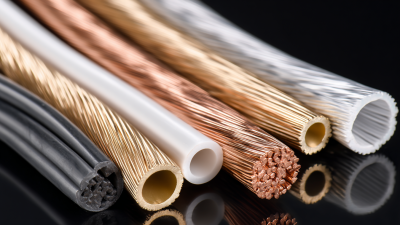
PVC, or polyvinyl chloride, is a widely used material in cable sheathing. Its durability and flexibility make it an excellent choice for various applications. PVC provides a robust layer of protection against environmental factors. This includes moisture, chemicals, and abrasion. The lightweight nature of PVC also contributes to easier installation.
One of the standout properties of PVC is its electrical insulation capabilities. It effectively prevents electrical leakage, enhancing safety in electrical systems. PVC is also flame-resistant, meeting many industry standards for fire safety. Additionally, its resistance to corrosion ensures that cables remain functional even in challenging conditions.
However, there are limitations to consider. PVC can become brittle over time, especially in extreme temperatures. This could impact its performance. Moreover, the manufacturing process of PVC can release harmful substances, raising concerns about environmental impact. Balancing these pros and cons is essential for choosing the right cable sheathing material.
Advantages of Using PVC Sheath in Electrical Cables
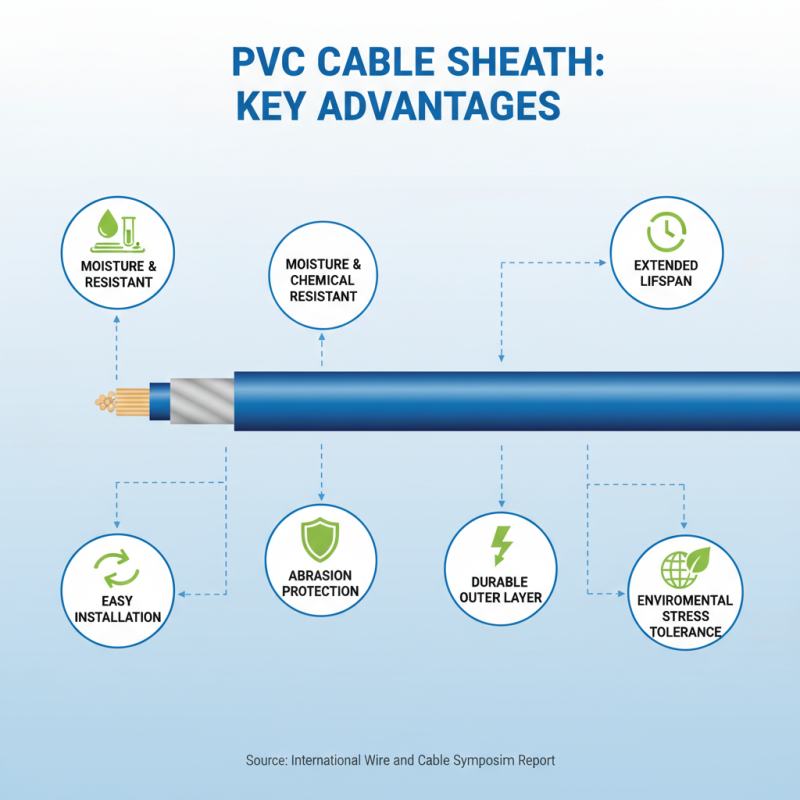
PVC sheath cables are increasingly favored in electrical applications due to their unique properties. PVC, or polyvinyl chloride, creates a strong, durable outer layer. This material offers excellent resistance to moisture, chemicals, and abrasion. According to a report by the International Wire and Cable Symposium, PVC cables can effectively endure environmental stresses, extending their lifespan. The flexibility of PVC also allows for easier installation in various settings.
One major advantage of using PVC is its cost-effectiveness. It is less expensive than other materials while delivering comparable performance. A study indicated that approximately 70% of electrical cables utilize PVC for its budget-aligned benefits. Additionally, PVC sheath is flame-resistant, which adds a layer of safety in residential and industrial applications. Yet, it is essential to consider its environmental impact. While PVC is versatile, the production process can be criticized for generating harmful pollutants. Balancing cost, safety, and environmental responsibility remains a challenge in the industry.
Another point to reflect on is the potential for PVC degradation over time. While generally long-lasting, exposure to sunlight can lead to material breakdown. This can compromise performance in outdoor installations, which necessitates careful planning. Despite some trade-offs, the benefits of PVC sheath cables—such as durability and affordability—make them a well-rounded choice for many electrical applications.
Industry Applications and Standards for PVC Sheath Cables
PVC sheath cables are widely used across various industries due to their durability and versatility. They comply with several standards, including ISO 9001, which ensures quality management. In construction, these cables are essential for electrical installations, offering resistance to moisture and chemicals. According to a recent market analysis by Research and Markets, the global demand for PVC cables is expected to grow at a CAGR of over 6% from 2022 to 2027.
In the telecommunications sector, PVC sheath cables facilitate reliable data transmission. Their insulating properties make them ideal for outdoor applications. Notably, the United States Environmental Protection Agency classifies PVC as a recyclable material, which adds to its appeal in a world increasingly focused on sustainability.
Tip: Always check regional regulations when selecting cables for specific applications. Some areas may have stricter guidelines.
Moreover, while PVC provides various benefits, there are concerns about its environmental impact during production and disposal. The industry must address these issues. Balancing performance with ecological responsibility remains crucial. A careful choice of materials will shape the future of cable technology.
Comparative Analysis: PVC Sheath vs. Other Cable Materials
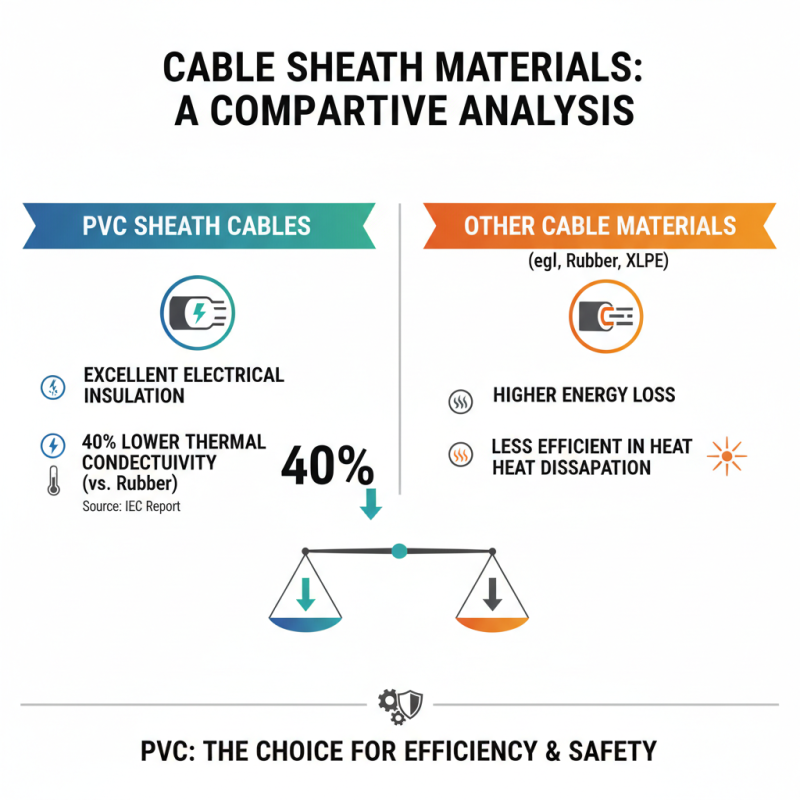
When comparing PVC sheath cables to other materials, it's essential to understand their unique advantages. PVC, or polyvinyl chloride, has become a prevalent choice in the electrical industry due to its excellent insulation properties. According to a report by the International Electrotechnical Commission (IEC), PVC cables exhibit a 40% lower thermal conductivity than rubber cables. This makes them efficient in reducing energy loss and improving system efficiency.
In terms of durability, PVC cables outperform many alternatives. They resist moisture, chemicals, and UV radiation. A study by the American Society for Testing and Materials (ASTM) indicated that PVC cables have a lifespan that can exceed 30 years, even in adverse conditions. Conversely, materials like polyethylene may degrade faster when exposed to harsh environments. However, it's crucial to note that the performance of PVC cables can vary based on temperature and installation methods.
While PVC offers numerous benefits, it’s significant to acknowledge its limitations. For instance, PVC can become less flexible in extreme cold, leading to potential installation challenges. The environmental impact of PVC production is also a matter of concern for some stakeholders. Analyzing these factors helps ensure informed decisions when selecting cable materials for specific applications.