Top 10 Cable Materials for Global Sourcing Needs?
In today's interconnected world, selecting the right cable material is crucial for various industries. These materials impact everything from performance to durability. Sourcing high-quality cable materials can be a daunting task. Many factors need consideration, including cost, availability, and specific performance requirements.
The global market offers a rich variety of cable materials. However, not all options meet stringent industry standards. Different materials serve distinct purposes. For example, copper and aluminum are popular for their conductivity. Meanwhile, materials like PVC and Teflon provide excellent insulation. It's essential to evaluate the specific needs of your project before making a selection.
Navigating the complexities of cable material sourcing requires expertise and experience. Suppliers may offer a range of products, but not all options are reliable. Quality matters, especially in critical applications. This guide will explore the top ten cable materials available globally. By understanding their properties, you can make informed decisions that enhance your projects.

Understanding Cable Materials: A Comprehensive Overview
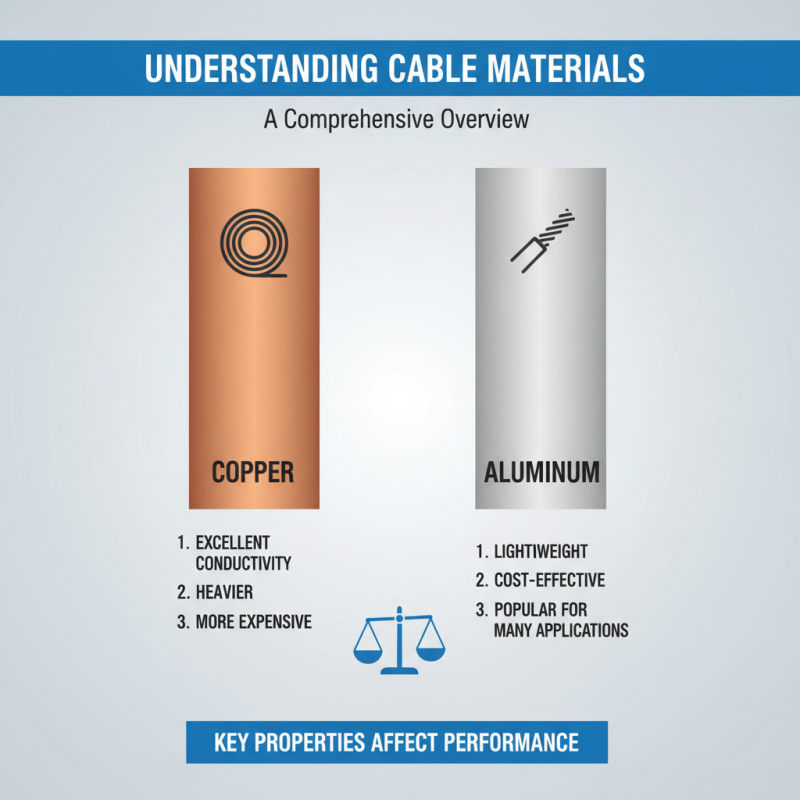
When exploring cable materials, understanding their properties is essential. The right material can significantly affect performance. Common materials like copper and aluminum have distinct advantages. Copper offers excellent conductivity. However, it's heavier and more expensive than aluminum. On the other hand, aluminum is lightweight and cost-effective, making it popular for many applications.
Polymer materials, such as PVC and polyurethane, provide flexibility and resistance to environmental factors. These materials are ideal for cables exposed to harsh conditions. Yet, it's crucial to evaluate their long-term durability in specific applications. Some polymers can degrade over time, affecting overall performance. This variability is often overlooked during sourcing decisions.
In addition, newer materials like fiber optic cables are gaining popularity. They enable high-speed data transmission with minimal signal loss. The adoption of such technologies is not without challenges, though. Installation and compatibility issues can arise during integration. Sourcing professionals should stay updated on trends and innovations. This approach fosters informed decisions, ensuring that the materials meet current and future needs.
Key Characteristics of High-Performance Cable Materials
When sourcing cable materials, understanding their performance characteristics is vital.
High-performance cables can withstand various environmental factors, enhancing durability and reliability.
According to industry reports, thermoplastic elastomers (TPEs) have gained popularity due to their flexibility and resistance to extreme temperatures.
They can operate effectively between -40°C and 100°C, making them suitable for diverse applications.
Conductivity is another essential factor.
Copper remains the standard for many cables due to its excellent electrical conductivity.
However, aluminum is gaining traction for its lightweight properties and lower cost.
Industry data suggests that aluminum cables can reduce weight by 50%, which is beneficial in many sectors.
Tips: Always consider the manufacturing environment.
For example, materials should be resistant to chemical exposure in industrial settings.
Not all materials may pass rigorous compliance tests, so research is crucial.
Additionally, regular inspections can ensure performance standards are met.
Remember, a high-performing cable should blend durability with cost-effectiveness.
Some materials may seem appealing but fall short in extreme conditions.
Top 10 Cable Materials for Diverse Global Sourcing Needs
Navigating the diverse landscape of cable materials for global sourcing requires a keen understanding of industry trends. According to a report by MarketsandMarkets, the global cable materials market is projected to grow at a CAGR of 5.6% from 2021 to 2026. This highlights the increasing need for high-quality and reliable cable materials in various sectors.
Copper remains a leading material due to its excellent conductivity and thermal performance. However, environmental concerns are pushing manufacturers toward alternatives. Aluminum, for example, offers lightweight benefits and lower costs. Data from the International Copper Association suggests that aluminum usage in cables is anticipated to rise by 10% annually as sustainability becomes a priority.
Polymer-based insulating materials, such as PVC and XLPE, continue to gain traction. They are favored for their durability and resistance to environmental factors. Yet, the challenge lies in balancing performance with regulatory compliance. Innovations in bio-based polymers are emerging, although they still face skepticism regarding their long-term viability. The ongoing shifts in material preferences point to a dynamic industry that must adapt continually to both technical and environmental demands.
Comparative Analysis of Cable Materials: Strengths and Weaknesses
When it comes to cable materials, the selection can significantly impact performance. Copper and aluminum are two of the most commonly used materials. Copper provides excellent conductivity but is heavier and more expensive. Aluminum, while lighter and cheaper, has a lower conductivity. Understanding these differences can guide sourcing decisions.
Plastics, like PVC and polyethylene, are essential for insulation. PVC is durable and resistant to moisture, but it may degrade under UV exposure. Polyethylene offers flexibility and good thermal properties. However, it has limitations in high-temperature environments. Energy efficiency is often overlooked. Choosing the right material can enhance energy conservation in cable applications.
Sourcing teams must also consider environmental factors. Some materials are recyclable, while others may not be. Sustainability practices are vital. The production process of certain cables can have a significant carbon footprint. Evaluating the lifecycle of materials can reveal potential pitfalls. In an era of increasing environmental consciousness, this is a critical insight.
Future Trends in Cable Material Development and Sourcing Strategie
The global cable materials market is evolving. Emerging trends in sustainability and advanced technology are reshaping sourcing strategies. A recent report indicates that the demand for eco-friendly materials is on the rise, with a predicted growth rate of 7% annually through 2028.
Manufacturers are exploring alternative materials. For instance, biomaterials are gaining traction. These options offer lower environmental impact compared to traditional options. In the industrial sector, copper remains prevalent, but its price volatility raises sourcing concerns. Suppliers must adapt by diversifying their material portfolios. Additionally, composites are becoming popular. They combine lightweight properties with strength, appealing to various applications.
This evolving landscape presents challenges. The balance between cost and sustainability will be crucial. Companies need to assess their sourcing strategies continuously. The shift towards circular economy principles is significant. Efficient resource usage and recycling initiatives are gaining attention. Yet, many organizations struggle with implementing these strategies effectively. The future of cable materials will likely reflect these ongoing tensions and innovations.