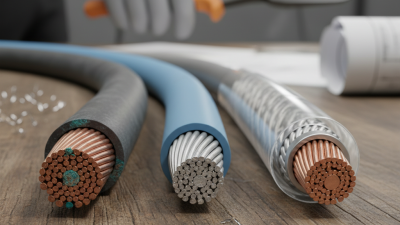
Why Cable Material Matters for Global Sourcing?
Global sourcing decisions often begin with price, but Cable Material determines far more than the initial quotation. Copper, aluminium, insulation polymers, shielding layers, and fire-resistant compounds influence conductivity, flexibility, heat performance, service life, and recycling requirements. A cheaper cable can become expensive when voltage losses, premature cracking, or inconsistent insulation cause field failures.
The International Energy Agency’s Electricity 2024 report projects global electricity demand to grow by about 4% annually through 2026. This growth increases demand for reliable transmission, distribution, renewable-energy, data-centre, and industrial cables. The International Copper Study Group also continues to monitor structural pressure on copper supply and refined demand. These signals matter to purchasing teams. Material availability can affect lead times, currency exposure, production continuity, and supplier bargaining power. Specification control matters too. A cable that meets a basic conductivity target may still perform poorly in a hot, wet, or mechanically demanding installation.
Christopher Guerin, CEO of Nexans, has said, “Electrification is the key to decarbonization.” His statement highlights why material selection deserves strategic attention, not only technical review. Responsible sourcing should examine verified test reports, traceability, recycled content, factory process controls, and regional compliance requirements. Yet no checklist is perfect. Even experienced buyers can overlook resin substitutions or copper-quality differences between batches. The practical lesson is uncomfortable but useful: the lowest unit price may hide the highest lifetime risk. Global sourcing works better when Cable Material is evaluated through total cost, verified performance, and credible supplier evidence.
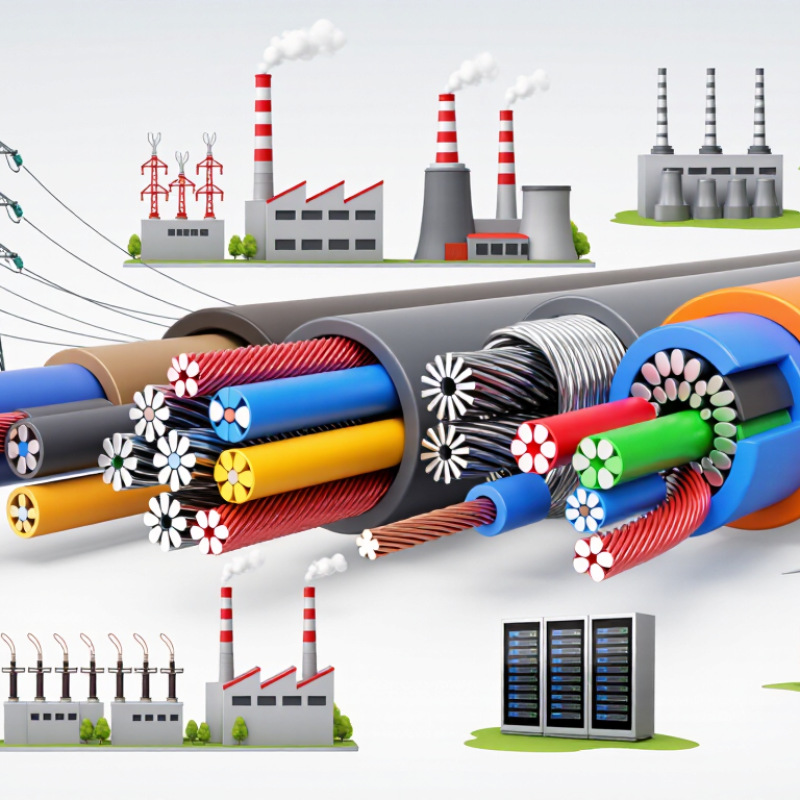
Cable Material Basics and Their Key Performance Differences
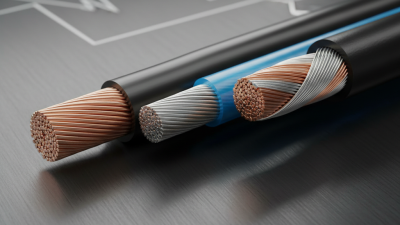
Cable material determines more than purchase price. It affects conductivity, weight, flexibility, heat resistance, and service life. Copper has approximately 100% International Annealed Copper Standard conductivity, while aluminum reaches about 61%. Therefore, an aluminum conductor usually needs a larger cross-section for similar current performance. The U.S. Geological Survey’s Mineral Commodity Summaries 2025 reported about 22 million metric tons of global mined copper production in 2024. Aluminum primary production exceeded 70 million metric tons. These figures show why supply scale and material availability matter during global sourcing.
Copper offers strong conductivity and reliable terminal performance, but it is heavier and usually costs more. Aluminum reduces cable weight and can lower material costs, especially in long transmission systems. Its oxide layer requires careful connector design and installation control.
PVC insulation is economical and widely used, while cross-linked polyethylene tolerates higher operating temperatures. Halogen-free compounds can reduce corrosive smoke during fires, but their processing behavior may be less forgiving.
Small details matter.
A cable can pass a laboratory test yet perform poorly after repeated bending or moisture exposure. In sourcing reviews, teams often compare conductor prices first and environmental ratings later. That sequence is risky. The International Aluminium Institute reports that recycling aluminum uses roughly 95% less energy than producing primary aluminum, although actual savings depend on collection and processing quality. The number is useful, but not universal. Material selection still needs testing against voltage, temperature, bending radius, installation method, and local standards.
How Material Choice Affects Cable Safety and Service Life
Why Cable Material Matters for Global Sourcing?
How Material Choice Affects Cable Safety and Service Life
Cable material directly influences electrical safety, flexibility, heat control, and operating life. Copper offers high conductivity and stable connections in compact designs. Aluminum is lighter and often reduces transport costs, but it usually needs a larger conductor. Its terminations also require careful engineering to prevent loosening and overheating.
The insulation matters just as much. PVC can suit many indoor applications, while XLPE supports higher temperatures and stronger electrical performance. TPE is useful where repeated bending is expected. In damp, oily, or outdoor environments, the jacket must resist moisture, chemicals, abrasion, and ultraviolet exposure. A cable may look perfect on delivery day. It may fail after months of heat and movement.
Experienced sourcing teams check more than conductor weight and price. They review temperature ratings, bending cycles, flame behavior, dimensional consistency, and test records.
Small defects can become serious at a crowded terminal block. Poor stripping can damage insulation. Incorrect storage can also shorten service life before installation.
Material selection is not always obvious. A cheaper cable may reduce the purchase price but increase replacement work. I have seen specifications focus heavily on conductivity while overlooking flexing conditions. That is a mistake worth revisiting.
Reliable suppliers should explain material limits clearly and provide traceable inspection data. Field conditions, not catalog language, should guide the final choice.
Matching Cable Materials to Climate, Load, and Installation Conditions
Why Cable Material Matters for Global Sourcing?
Matching Cable Materials to Climate, Load, and Installation Conditions
Global cable sourcing is not only a price exercise. The material must fit the place where people will install and use it. In field reviews, climate is often treated as a shipping detail. It is a design factor. High humidity can weaken insulation and encourage corrosion at exposed connections. Salt air creates harsher conditions near coastlines. Cold temperatures may make some jackets stiff and easier to crack during installation. Heat can soften insulation and shorten service life when cables carry continuous current.
Load changes the decision. Copper usually offers strong conductivity in compact spaces, while aluminum can reduce weight and cost in suitable designs. The choice still depends on conductor size, voltage, heat dissipation, and connection quality. A cable that passes a factory test may perform poorly inside a crowded tray. That detail is easy to miss. Engineers should check continuous load, short-term overload, bending radius, and expected fault conditions before approving a material.
Installation conditions matter just as much. Indoor control panels, underground ducts, outdoor trays, and moving equipment require different jacket properties. Abrasion resistance, water protection, flame behavior, and flexibility should appear in the sourcing specification. Procurement teams should request recent test records, material declarations, and samples from the intended production lot. A spreadsheet can look complete while one assumption remains wrong. I have seen projects choose a suitable conductor but overlook sunlight, drainage, or repeated bending. That small mismatch can create expensive replacement work across borders.
Material Standards, Compliance, and Quality Control Across Markets
Why Cable Material Matters for Global Sourcing
Material Standards, Compliance, and Quality Control Across Markets
Cable material affects safety, performance, pricing, and regulatory acceptance. Copper offers strong conductivity, while aluminum can reduce weight and cost. Insulation also matters. PVC, XLPE, and low-smoke compounds behave differently under heat, moisture, and mechanical stress. A specification should identify the conductor, insulation, jacket, temperature rating, and testing method clearly.
Global sourcing becomes difficult when markets apply different material standards. A cable accepted in one country may require additional testing elsewhere. Suppliers should provide current test reports, material declarations, batch records, and traceability documents. Check whether reports match the exact cable construction. Generic documents create risk. They can hide changes in resin, conductor purity, or flame performance.
Quality control must continue beyond document review. Inspect conductor size, insulation thickness, surface defects, labeling, and packaging before shipment. Sampling plans should reflect order value and product risk. Storage conditions matter too. Damp warehouses can damage packaging and affect certain materials over time. We once treated certification as the final answer. That was too simple. Certificates support trust, but production evidence matters more. Small inconsistencies deserve investigation, even when the cable looks acceptable. Supplier audits, independent testing, and clear corrective-action records help build dependable sourcing decisions across markets.
Cost, Supply Risks, and Sustainable Material Selection in Global Sourcing
Cable material matters because the cheapest quotation may hide higher sourcing risk.
Copper offers excellent conductivity and stable processing. Aluminum weighs less and can reduce transport loads. Yet aluminum needs larger conductor sizes for similar electrical performance. That affects terminals, installation space, and labor.
In procurement reviews, I would compare installed cost, not only price per kilogram. Small detail. A wrong material choice can remain expensive for years.
Supply exposure also deserves careful measurement. The International Energy Agency’s Global Critical Minerals Outlook 2024 projects clean-energy copper demand rising from about 6.3 million tonnes in 2023 to 10.2 million tonnes by 2035.
Tight markets can increase premiums, delivery delays, and inventory pressure. Recycled content may reduce this exposure. The International Copper Study Group reports that secondary copper supplies represent roughly one-third of refined copper use globally. However, scrap quality varies. Traceability is not automatic.
Sustainable selection should include energy, durability, and end-of-life recovery. The International Aluminium Institute states that recycled aluminum uses about 95% less energy than primary aluminum.
That figure is compelling, but it does not justify choosing aluminum everywhere. A cable may need stronger connectors, larger dimensions, or stricter installation controls.
Procurement teams should request material certificates, recycled-content evidence, lifecycle assumptions, and supplier continuity plans. These documents can still be incomplete. That uncertainty needs a risk allowance, not optimistic wording.