What is Lszh Irradiated Insulating Cable Material and Its Benefits?
In recent years, the demand for Lszh Irradiated Insulating Cable Material has surged, driven by its superior safety and performance characteristics. According to a report by the International Wire and Cable Association, the global market for such materials is projected to grow by 5.3% annually through 2025. This growth signifies a shift towards enhanced materials that reduce fire risks in the electrical industry.
Dr. Emily Chen, a leading expert in cable technology, emphasizes the importance of these materials. She states, “Lszh Irradiated Insulating Cable Material is not just a safety upgrade; it's a necessity for modern infrastructures.” This highlights the rising need for reliable products in various applications, from transportation to telecommunications.
However, while Lszh materials are lauded for their benefits—such as lower smoke emission and higher resistance to heat—they also require careful consideration in manufacturing and selection. Industry professionals often reflect on the challenges inherent in ensuring consistent quality. The implementation of Lszh Irradiated Insulating Cable Material may appear straightforward, but it demands a keen eye for detail and rigorous compliance with safety standards.
What is Lszh Irradiated Insulating Cable Material?
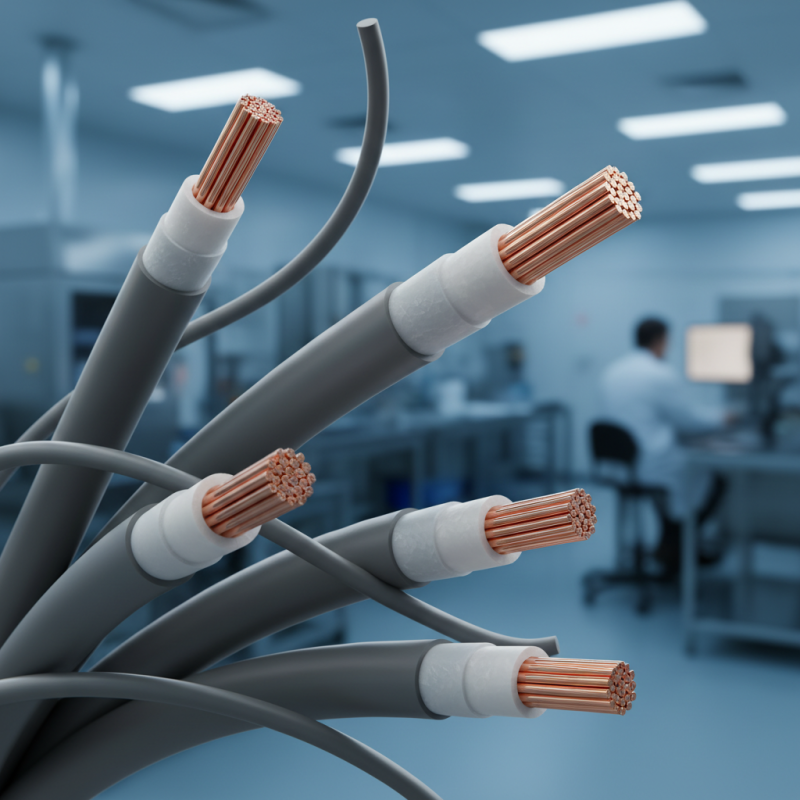
LSZH irradiated insulating cable material refers to low smoke, zero halogen cables that undergo an irradiation process to enhance their performance. These cables are designed for use in environments where safety is a priority. The key feature of LSZH cables is their ability to emit minimal smoke and no halogen substances when burned, making them a safer choice in enclosed spaces like tunnels and high-rise buildings.
A significant benefit of LSZH irradiated insulation is its excellent thermal stability. According to industry reports, these cables can withstand higher temperatures, which often exceed 90°C. This characteristic contributes to longevity and reliability in electrical applications. Additionally, the irradiated process strengthens the cable's ability to resist mechanical stress and environmental factors.
Tips: When selecting LSZH cables, consider the specific application and environment. Ensure they meet safety standards and examine the temperature ratings. Regular maintenance and inspections will also enhance the lifespan and performance of these cables. Keep in mind that while LSZH cables are more environmentally friendly, they may have higher initial costs than conventional materials. Balancing safety, cost, and application is crucial for effective cable management.
What is Lszh Irradiated Insulating Cable Material and Its Benefits?
| Property |
Description |
Benefits |
| Material Type |
LSZH (Low Smoke Zero Halogen) irradiated insulation |
Reduces toxic smoke and harmful gas emissions |
| Irradiation Process |
Cross-linking of polymer chains through radiation |
Increases thermal and mechanical stability |
| Temperature Resistance |
High resistance to extreme temperatures |
Suitable for demanding environments |
| Flame Retardance |
Self-extinguishing properties |
Enhances safety in case of fire |
| Durability |
Resistant to abrasion and environmental factors |
Longer lifespan in various applications |
| Application Areas |
Suitable for public transportation, buildings, ships, etc. |
Versatile use in safety-critical environments |
Key Characteristics and Composition of Lszh Irradiated Insulating Cables
LSZH irradiated insulating cables have unique characteristics that make them ideal for various applications. These cables are designed with low smoke zero halogen (LSZH) materials, which significantly reduce smoke and toxic emissions during combustion. This feature is particularly crucial in confined spaces, such as tunnels or buildings, where safety is a top priority.
The composition of LSZH irradiated insulating cables includes a special blend of polymers. These polymers are treated with radiation to enhance their electrical properties and thermal resistance. Irradiation improves the cable's durability, allowing it to withstand extreme temperatures and mechanical stress. Furthermore, the layers within these cables provide additional protection against moisture and chemicals, which can lead to cable degradation.
Despite such advantages, there are challenges in the manufacturing process. Achieving the right balance of flexibility and strength can be difficult. Manufacturers must ensure that the cable remains manageable for installation while retaining its robust properties. Also, not all applications may benefit from LSZH materials. A thorough assessment is needed to determine their suitability. Understanding these nuances is key for engineers and designers when selecting cable solutions.
Advantages of Using Lszh Irradiated Insulating Cable Materials in Industry
LSZH irradiated insulating cable materials have gained traction in various industries due to their numerous benefits. One key advantage is their superior fire safety. According to industry reports from the International Electrotechnical Commission, cables made from LSZH materials emit minimal smoke and no halogen gases when burned. This property significantly reduces the risk of toxic exposure during fires, making them ideal for use in public infrastructure and confined spaces.
Another notable benefit is the durability of LSZH irradiated cables. The process of irradiation enhances the material’s resistance to environmental stresses, such as UV radiation and extreme temperatures. Reports indicate that these materials can withstand temperatures ranging from -40°C to 90°C. This wide range makes them suitable for both indoor and outdoor applications, especially in demanding conditions like power plants and tunnels.
Moreover, the lightweight nature of LSZH materials contributes to ease of installation. Cables are easier to handle, which can lead to reduced labor costs and faster project timelines. However, some professionals express concerns about the initial costs, which may deter immediate adoption in certain sectors. Balancing these costs with the long-term benefits will require careful consideration by industry stakeholders.
Comparative Analysis: Lszh vs. Traditional Insulating Cable Materials
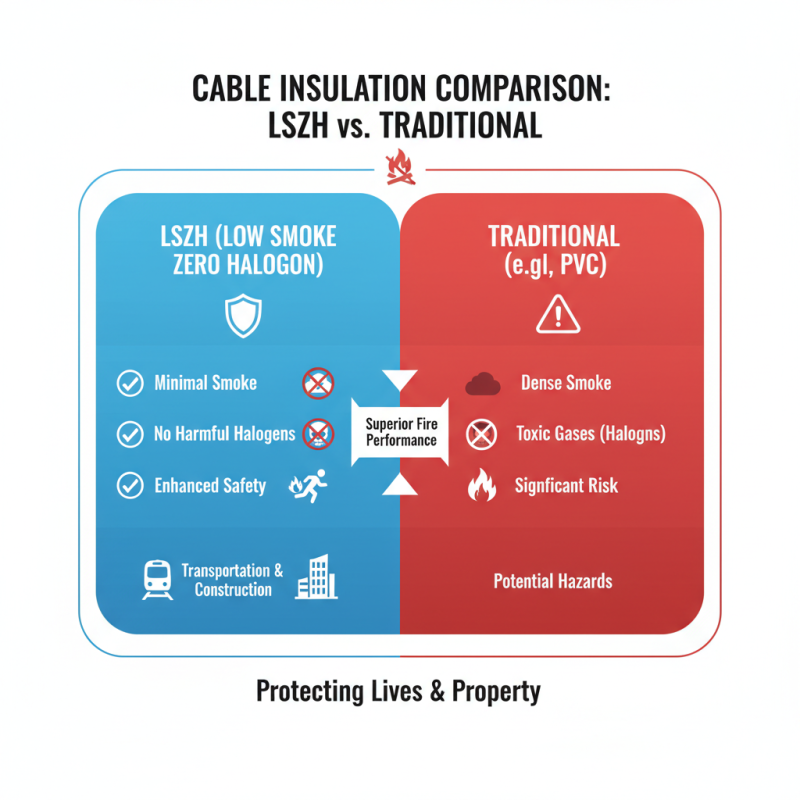
LSZH (Low Smoke Zero Halogen) irradiated insulating cable materials offer significant advantages over traditional insulating options. According to industry reports, LSZH cables emit minimal smoke and no halogen when burned, enhancing safety in confined spaces. Traditional cables, often made from PVC, release harmful gases and smoke, posing risks during a fire. With LSZH materials, businesses can protect both lives and property, particularly in sectors like transportation and construction.
Moreover, LSZH cables demonstrate superior dielectric properties, allowing for efficient data transmission. A study by the International Electrotechnical Commission indicates that LSZH materials can withstand higher temperatures without degradation. This quality extends the lifespan of cables, reducing replacement costs over time. Traditional materials, again, often suffer from rapid wear, making LSZH the more reliable choice in the long run.
**Tip:** When selecting cable materials, always consider installation environments. LSZH should be prioritized in areas with high human traffic or sensitive equipment. Remember that while LSZH cables are advantageous, their cost may be a factor. It is essential to weigh the long-term benefits against initial expenses.
Real-World Applications and Case Studies of Lszh Irradiated Cables
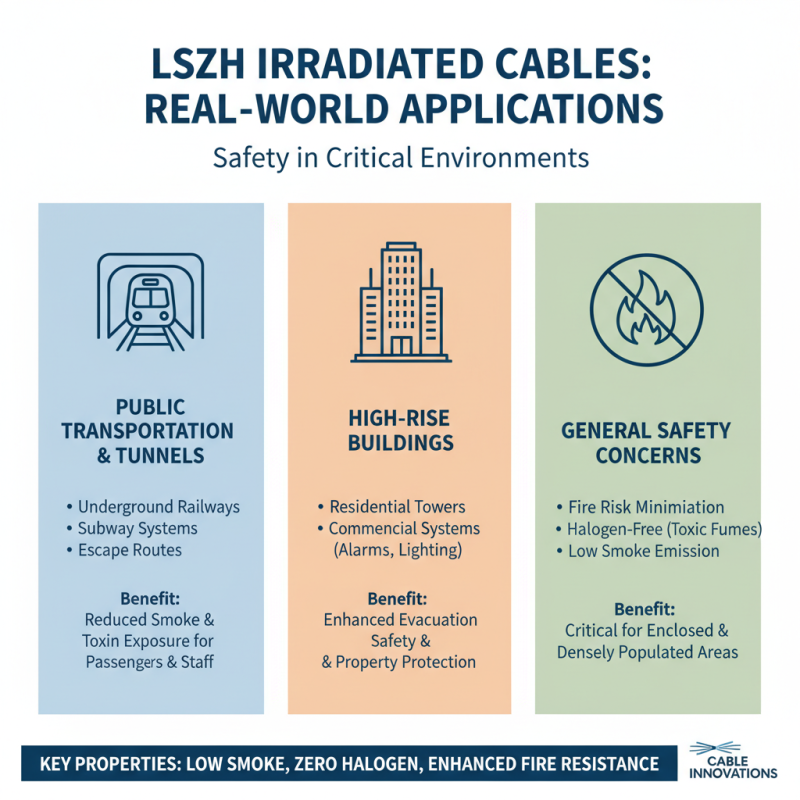
LSZH irradiated insulating cables are gaining prominence due to their unique properties. These cables are designed for environments where reduced smoke and toxin emissions are crucial. They are particularly valuable in public transportation, tunnels, and high-rise buildings. Safety concerns drive the need for materials that minimize fire risk. LSZH cables meet these needs effectively.
In practical applications, LSZH irradiated cables have been implemented in various urban infrastructure projects. For example, cities have upgraded subway systems with these cables to enhance safety measures. These cables hold up against extreme temperatures and harsh conditions. In one notable case, a tunnel project utilized LSZH cables, which provided reliable insulation while reducing smoke production during drills.
Another instance is in renewable energy installations. Wind and solar farms often use these cables for their durability. They withstand exposure to UV radiation and other environmental factors. However, the installation process can be challenging due to the specific handling requirements. Knowledge and training are essential for effective deployment. Overall, the journey of adopting LSZH cables showcases both their advantages and some of the hurdles faced in real-world settings.