Top 5 Tips for Sourcing Galvanized Steel Wire Effectively?
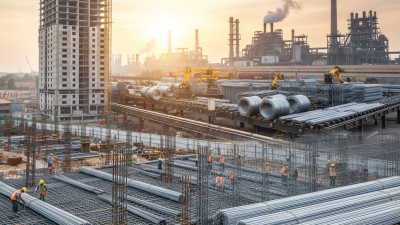
Sourcing Galvanized Steel Wire effectively is crucial for various industries, including construction and manufacturing. According to a recent market report, the global galvanized steel wire market is expected to reach USD 5.4 billion by 2025, growing at a CAGR of 5.2%. This growth reflects an increasing demand for durable and rust-resistant materials. Companies need to approach sourcing with knowledge and strategy to stay competitive.
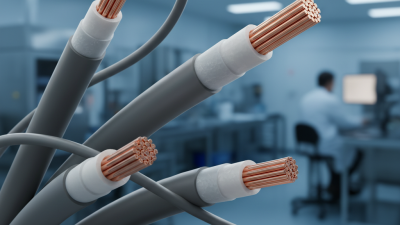
Galvanized Steel Wire offers strength and longevity, making it essential for applications like fencing and electrical wiring. However, sourcing it can be complex due to the different types and specifications available. Misinformation or lack of expertise can lead to costly mistakes and product failures. Many buyers may overlook the importance of quality, which can significantly affect performance and safety.
As the industry evolves, the importance of reliable suppliers has never been greater. Companies are urged to prioritize sourcing practices that promote quality control and transparency. In an age of rapid change, the ability to adapt and reassess sourcing strategies will determine success. Addressing common pitfalls in sourcing can lead to better outcomes and ensure optimal use of Galvanized Steel Wire in various applications.
Understanding the Basics of Galvanized Steel Wire and Its Applications
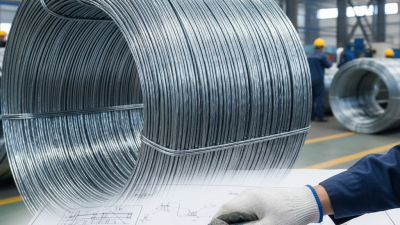
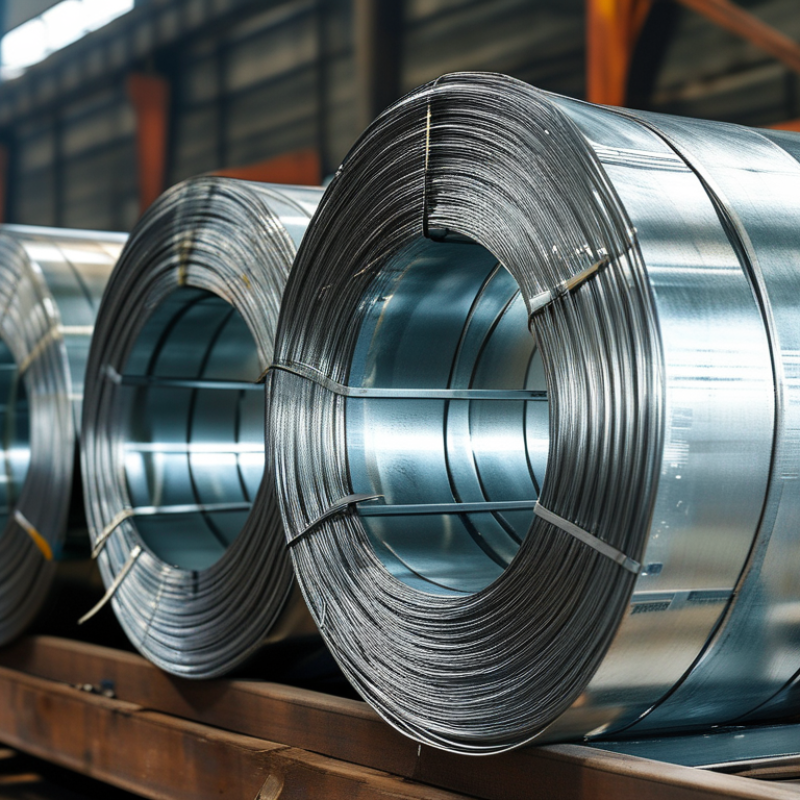
Galvanized steel wire is a versatile material often used in construction, fencing, and various industrial applications. The process of galvanization involves coating steel with zinc to prevent corrosion. This feature makes the wire durable and long-lasting. According to a report by Research and Markets, the global galvanized steel wire market is projected to grow significantly due to rising demand in manufacturing and construction sectors.
When sourcing galvanized steel wire, understanding its specifications is crucial. Different applications require varying wire gauges, tensile strengths, and coatings. For instance, a thicker gauge wire can withstand higher loads, while thinner wire suits lighter tasks. One tip is to verify the steel's corrosion resistance standards, which can vary widely. ISO 1461 details methods for testing, ensuring your wire meets industry benchmarks.
Another important aspect is establishing reliable supplier relationships. Suppliers that adhere to quality standards provide peace of mind. Look for companies with a strong track record in the industry. Consult industry publications to find reputable sources. It's always good to compare prices, but the best value comes from known quality. Balancing cost and quality ensures effective sourcing, minimizing future risks such as wire failure or premature rust.
Identifying Reliable Suppliers for Quality Galvanized Steel Wire
When sourcing galvanized steel wire, identifying reliable suppliers is essential for ensuring quality. The global galvanized steel wire market is projected to reach USD 6.54 billion by 2028, with a CAGR of 5.2% from 2021 to 2028. This growth reflects the increasing demand in construction, agriculture, and manufacturing sectors. However, not all suppliers meet the same standards, making careful selection crucial.
To begin, it’s important to check a supplier's certifications. ISO 9001 and other industry-specific certifications indicate a commitment to quality. Moreover, investigating the supplier’s production process can reveal a lot about their reliability. Research their sourcing methods for raw materials, as this affects the final product. Industry reports often suggest that companies using advanced technology in manufacturing tend to produce higher-quality wire.
Engaging in trade shows or industry conferences can also provide insights. Networking with peers can lead to recommendations for trusted suppliers. Yet, many buyers overlook the importance of this step, which can lead to subpar purchases. Finally, seek testimonials and reviews from previous clients. Authentic feedback is an invaluable resource in establishing trustworthiness.
Evaluating Specifications and Standards for Galvanized Steel Wire
When sourcing galvanized steel wire, understanding specifications and standards is crucial. Quality varies significantly. Key specifications include
wire gauge, tensile strength, and coating thickness. A proper assessment begins with determining the wire gauge, which directly affects its application.
Misjudging this can lead to inadequate performance in projects.
In addition to gauge, tensile strength indicates the wire's durability under stress. Look for information on the wire's yield and ultimate strength. Coating thickness is also essential for corrosion resistance.
Subpar coating can lead to premature failure. Many suppliers provide certification and test reports; examine these documents carefully.
It's also important to be aware of industry standards, such as ASTM or ISO. These standards ensure consistency and reliability. However, not all suppliers adhere to them.
Investigate their reputation in the industry. Reviews and testimonials can provide insights into their reliability. Evaluating a supplier's transparency about specifications can reveal their commitment to quality.
This meticulous approach helps in making informed sourcing decisions.
Negotiating Pricing and Terms for Galvanized Steel Wire Procurement
Negotiating pricing and terms for galvanized steel wire procurement is crucial for any business. Effective negotiation can lead to cost savings and a reliable supply chain. Understanding the market landscape helps buyers secure favorable deals. Research current industry prices, and know what competitors are paying. This knowledge creates a strong foundation for negotiation.
One tip is to establish long-term relationships with suppliers. Consistent engagement can lead to better pricing and priority service. Another aspect is being transparent about your volume needs. Suppliers appreciate honest discussions about your requirements. This openness can prompt them to offer better terms, benefiting both parties.
Don't shy away from discussing additional costs. Shipping fees or handling charges can impact the overall expense. Always ask for a complete breakdown of pricing. Reflect on past procurement experiences. Were there hidden fees? Were delivery times met? Learning from these experiences can refine your negotiation strategies, ensuring a more efficient procurement process.
Ensuring Quality Control During the Sourcing Process of Steel Wire
When sourcing galvanized steel wire, ensuring quality control is crucial. It begins with selecting the right suppliers. Conducting thorough background checks helps assess their reputation and reliability. Look for suppliers with a track record of producing high-quality products. Ask for references and reviews from past clients to gain insights. A supplier’s experience in the market often reflects in their workmanship.
Next, establish stringent quality standards before making a purchase. Define specifications for material thickness, tensile strength, and coating quality. Document these standards and communicate them clearly to your suppliers. Having a checklist during inspections can help catch discrepancies early. Don’t overlook the importance of on-site inspections. Visiting a factory can reveal the production processes and available equipment.
While sourcing, embrace the learning process. It’s common to face challenges, such as delays or product inconsistencies. Reflect on these issues to enhance your evaluation criteria for future sourcing. Continuous improvement in selection and inspection methods is key. Balancing cost with quality often leads to better long-term relationships with suppliers.